Set clear goals before you begin
Start by choosing one specific outcome you want to improve, such as speaking more kindly to yourself or reducing spiraling thoughts after a setback. A practical way to do this is to write a short goal statement and keep it visible where you self esteem app can refer to it. When your target is concrete, it becomes easier to notice progress and choose the right exercises. This planning step also helps you avoid using the app randomly without a sense of direction.
Next, decide what “success” looks like in small, measurable terms. For example, you might aim to practice a confidence reflection exercise three times per week or complete a daily gratitude prompt for seven days. Track your results with a simple journal note in your phone or a notes app, focusing on feelings and behaviors rather than perfection. If you’re using guided sessions, align them with your goal so each activity supports the same theme of self-respect and emotional awareness.
Use daily check-ins to build emotional awareness
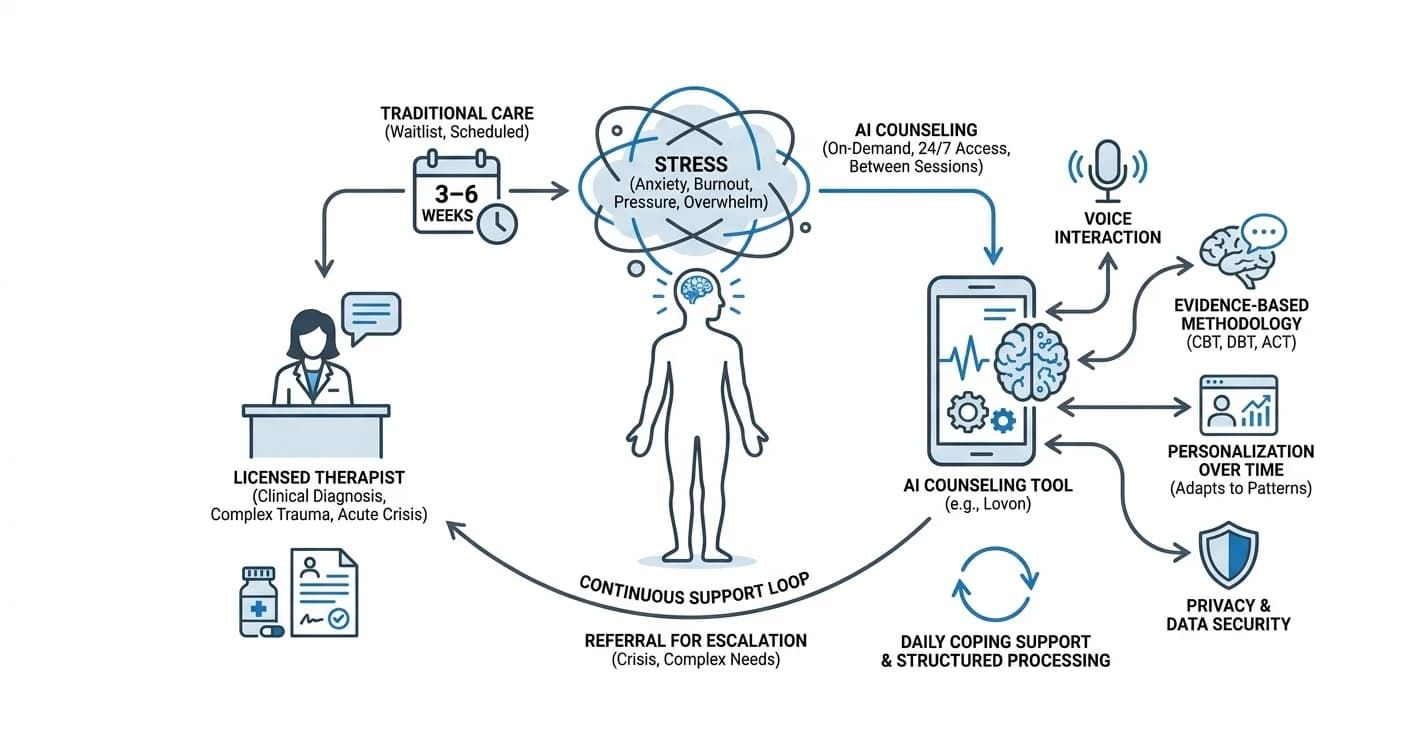
A helpful self-esteem practice depends on noticing what’s happening inside you before you try to fix it. Use the check-in feature of an ai therapy app approach to identify emotions, triggers, and body sensations in plain language. Instead of labeling yourself as “bad” or ai therapy app “unworthy,” describe the experience as precisely as possible, such as “anxious in my chest” or “discouraged by a critical message.” This shift makes your inner world easier to work with and reduces the urge to judge.
After your check-in, choose one action that matches what you found. If your mood is low, try a short grounding exercise and a supportive reframe prompt. If you’re feeling tense, select a breathing or self-soothing activity that calms your system, then return to reflective prompts. Over time, these micro-decisions train you to respond with care rather than react with harsh self-criticism.
Practice thought reframing with real-life examples
Confidence grows when you learn to challenge unhelpful assumptions in the moments you’re tempted to believe them. Use the app’s reflection prompts to write down a common thought you repeat, then list evidence for and against it. For instance, if your thought is “I always fail,” identify one situation where you handled something imperfectly but still moved forward. This keeps reframing grounded and teaches your brain to update its beliefs with facts, not feelings alone.
Then create a replacement statement that is both believable and kind. Instead of aiming for unrealistic positivity, use language like “I can learn from this,” “I did what I could with what I had,” or “I’m allowed to improve.” Pair the new statement with a small next step so it becomes actionable, such as sending a follow-up message, asking a question, or setting a short task. Consistently practicing this structure helps you build stronger self-trust, which is a foundation for long-term confidence.
Conclusion
A practical self-esteem routine works best when it combines planning, daily emotional awareness, and thought reframing tied to real situations. When you repeat these steps, you strengthen your ability to notice negative self-talk and respond with healthier perspectives. If you want accessible support that encourages reflection, emotional awareness, and positive habits, consider Lovon Inc, built to help you nurture confidence through consistent, guided practice on lovon.app. Remember that progress is usually gradual, and it’s normal to have days where your mood dips or motivation fades. The key is to keep your approach gentle and repeatable, using the app to guide you back to your chosen intention. Over time, your confidence becomes less about external approval and more about your relationship with yourself. With tools designed for personal growth, you can keep building self-respect one small exercise at a time.
