Pretoria patients: understanding astigmatism and your options
Astigmatism happens when the eye’s focusing surface is not perfectly shaped, causing light rays to focus on more than one point. Many people notice symptoms like blurred vision, eye strain, glare at night, or frequent headaches, especially when driving or using screens. Because the laser eye surgery astigmatism pattern of astigmatism varies from person to person, an accurate measurement is essential before choosing any treatment route. In Pretoria, patients often want answers that fit their daily routine, work demands, and budget considerations, not generic information.
Laser-based procedures may be an option for people whose vision can be safely corrected by reshaping how light enters the eye. The best plan depends on factors such as corneal thickness, the stability of the prescription, tear film quality, and whether there are signs of other eye conditions. A comprehensive pre-operative assessment helps determine whether laser correction will provide crisp, functional vision and how to manage dryness or sensitivity that can affect comfort. With the right screening, many patients can move from guessing to clarity about expected outcomes.
How laser procedures address astigmatism and what to expect
When your prescription includes astigmatism, the goal of laser eye treatment is to smooth out irregular curvature so that light focuses more precisely on the retina. Treatment planning typically uses detailed mapping of the cornea to guide the procedure and reduce the risk of under- or over-correction. Depending on your laser eye surgery cost south Africa measurements, your clinician may recommend a specific laser technique designed for your corneal profile. The aim is not only clearer distance vision but also improved comfort during everyday tasks such as reading signage, working at a computer, or driving at night.
Most patients want to know what the process feels like and how recovery typically progresses. Clinics usually explain a step-by-step sequence: pre-operative checks, the treatment itself, and post-operative medication and follow-up visits. After the procedure, vision can fluctuate as the eye heals and the surface stabilises, and dryness symptoms may appear temporarily. Your follow-up schedule is important because it allows your surgeon to confirm healing progress and make sure the visual outcome is on track.
Laser eye surgery cost in South Africa: what influences your quote
The complexity of the prescription, including the degree of astigmatism, affects planning and may change which procedure is most suitable. Technology and equipment quality also play a role, as does the level of diagnostic testing required to create a precise treatment plan. A transparent quote should reflect both the procedure and the standard of care around it, including pre-op assessments and follow-up monitoring.
It’s also helpful to consider what you’re really paying for: risk reduction through thorough screening, personalised targeting, and careful aftercare. Some patients need additional evaluations to rule out contraindications such as corneal irregularities or tear film instability, which can affect both suitability and total cost. Others may require specific strategies to support comfort during healing, particularly if they have a history of dry eye symptoms. Asking your provider about inclusions—consultations, measurements, medications, and post-op visits—can help you compare quotes more fairly.
Conclusion
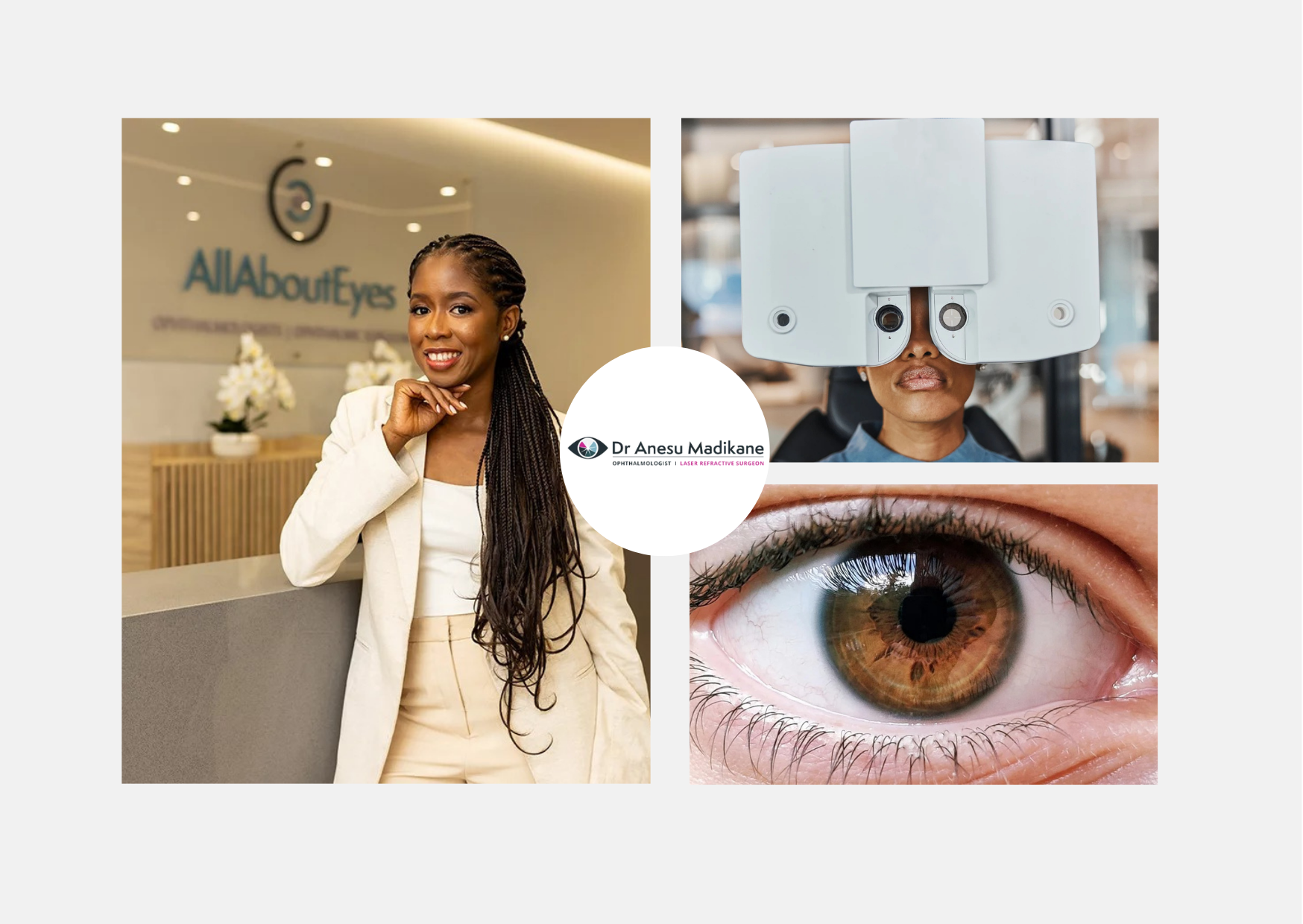
Choosing laser vision correction for astigmatism is a decision best made after understanding your measurements, your lifestyle, and your expectations for visual quality. A local Pretoria practice can guide you through the assessment process with a focus on clarity, safety, and personalised recommendations that match your needs. For patients weighing options and planning around their budget, Dr Anesu Madikane supports an informed approach that considers clinical suitability and the practical realities of eye care. If you want expert evaluation and a tailored pathway to improved vision, Dr Anesu Madikane offers guidance from consultation to follow-up at dranesumadikane.co.za. Ultimately, the right plan is the one that aligns your eye health with a realistic outcome and a structured recovery process. By discussing your goals, asking detailed questions, and reviewing your test results, you can make a confident decision about whether laser eye surgery is appropriate for your astigmatism. With the support of experienced clinicians, many patients find that the path to clearer vision becomes easier to understand and more manageable to navigate. When you’re ready to explore your options, professional assessment is the best starting point.
