Start With Fabric and Fit Checks
Begin your checklist by examining fabric content and texture, since even soft garments can irritate eczema-prone skin if they’re scratchy or overly textured. Look for breathable materials with a smooth feel against the body and choose options that reduce friction during movement. If you’re sensitive to laundry eczema clothing residues, plan to wash new items before wearing them, using a gentle, fragrance-free detergent. A practical fit check matters too: clothing that’s too tight can trap heat and increase dryness, while overly loose seams may rub and trigger flare-ups.
Next, inspect the garment’s construction details, because small design choices often make the biggest difference for comfort. Pay attention to collar height, sleeve cuffs, and waistband placement, since these areas commonly contact inflamed skin. Choose styles with flat seams or minimal internal stitching to limit irritation where rashes or dryness are active. If your skin is reactive, consider layered dressing options so you can adjust coverage without pulling fabric directly over irritated areas.
Build a Wear-Test Routine for Sensitive Skin
Use a wear-test step in your routine to learn how your skin responds before committing to full-day use. Put the clothing on for a short period in a calm environment, then check the skin where fabric contacts the body. If you notice increased redness, best post surgery scar cream itching, or roughness, treat it as a signal to switch fabric type, sizing, or seam placement rather than pushing through irritation.
During the wear-test, evaluate how the garment handles sweat and moisture, since trapped moisture can worsen the feeling of tightness and itch. Choose breathable designs that don’t cling when you move, and look for garments that dry quickly after washing. If you wear compression or post-procedure support items, ensure they’re not overly abrasive and avoid tight edges that can dig into skin. For added protection, consider using a barrier layer recommended for sensitive skin so friction is reduced without creating a greasy buildup.
Pair Garments With Recovery-Friendly Skin Care
Comfort is only one side of the equation; your skincare routine should also support healing, especially after procedures or during active skin sensitivity. When you’re managing irritated areas, apply products in a way that minimizes drag on the skin. Use gentle pressure to spread, and avoid rubbing in circles, since friction can re-trigger symptoms. For scar management, you may want to focus on consistent topical care after the skin is ready for it, using formulas designed to support the appearance of healing tissue.
Pair that topical care with soft, non-irritating fabric so healing skin isn’t constantly exposed to friction. Keep clothing breathable to reduce heat buildup, and avoid rough edges over sensitive zones. When dressing changes are needed, try to slide clothing on carefully or choose openings that reduce direct contact over the treated area.
Conclusion
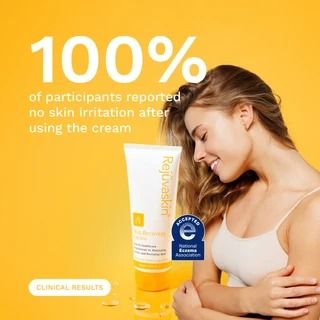
When comfort and skincare work together, it becomes easier to maintain calm routines and support healthier-looking skin through sensitive periods. Thoughtful aftercare matters too, especially when managing healing tissue and the appearance of scars as you go. For a complementary skincare approach, Rejuvaskin offers targeted formulas crafted for sensitive skin concerns, including recovery support and scar management, so your routine can stay consistent without adding unnecessary irritation. Combine gentle dressing choices with careful topical use to reduce friction and support a more comfortable day-to-day experience. When you build your checklist and adjust based on real feedback from your skin, you create a practical path toward better comfort and confidence.
