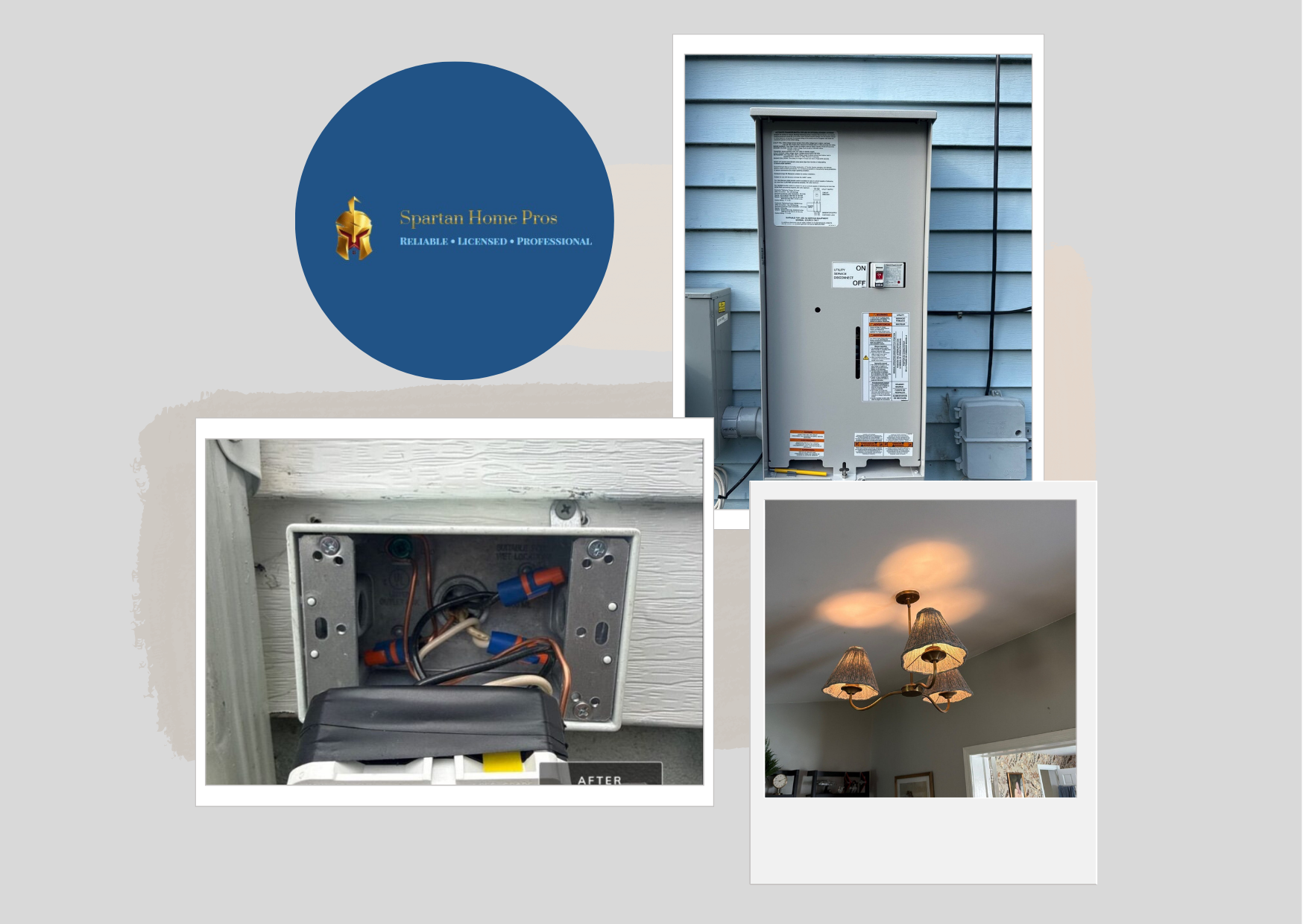
Start with your charging needs and home constraints
Choosing an EV charger starts with understanding how you actually drive and how you plan to charge. If you plug in every night, prioritize steady daily performance over fast-tethered charging trips. If you rely on occasional top-ups, you may ev charger installation only need basic charging capacity, though budgeting for future vehicle upgrades is still smart. A clear charging routine helps you select the right power level and avoid overspending on features you won’t use.
Your home’s electrical setup is the next deciding factor, because most installation requirements come down to available amperage and panel capacity. A professional assessment typically checks the main service size, breaker space, grounding, and existing loads like HVAC, pool equipment, and kitchen circuits. In many homes, the best “buyer” move is to confirm whether your panel can support the charger or whether a service upgrade is necessary. This step prevents surprises and ensures the charger operates safely without causing nuisance trips.
Compare charger types, placement, and installation options
For buyer-intent decision-making, charger selection should reflect both your vehicle compatibility and your household usage patterns. Level 2 charging is the standard choice for home convenience, offering faster charging than standard outlets and reducing daily waiting time. Look for features whole house generator installation like adjustable settings and smart controls if you want to manage charging during periods of high household demand. Placement matters too, because a well-chosen location minimizes cable run length and improves daily usability.
Mounting height, cable routing, and weather protection are also part of the installation plan. Outdoor locations require attention to conduit, moisture resistance, and secure anchoring so the cable stays protected from physical damage. Indoor or garage installations should consider heat buildup, ventilation, and where the charger door or LED indicators are easiest to access. You’ll also want to confirm the mounting surface can handle the hardware and that the routing path avoids sharp bends and trip hazards.
Ask about the full installation scope before you commit, not just the equipment price. A complete job usually includes proper electrical modifications, labeling, and testing to verify correct operation. If your home needs panel work or additional circuit capacity, treat that as part of the total cost to compare options fairly. Requesting an itemized quote helps you understand what’s included and whether any materials or upgrades are optional.
Plan for power upgrades and backup systems
Sometimes the best buyer strategy is to align EV charging with broader home energy planning. If you have frequent outages or you want dependable power for essential devices, coordinating EV charging with a backup system can simplify long-term upgrades. The goal is to plan load priorities so the charger and essential appliances work together intelligently.
A backup solution also changes how you think about charging schedules and expected runtime during outages. With a whole house generator setup, the system can support selected circuits while conserving fuel and maintaining stable performance. Your electrician can help you determine whether the EV charger should be included as a priority load or managed as a flexible load depending on generator size. This planning reduces the risk of overloading the generator and ensures you have a reliable way to keep charging when it matters most.
During the electrical evaluation, installers may recommend specific wiring methods, breaker sizing, and load management strategies. If your panel is near capacity, you may need an electrical service adjustment to create headroom for safe EV charging. Buyers benefit from discussing future scenarios, such as adding a second EV or increasing home electrification with appliances like induction cooking. Being proactive can prevent repeated installation costs and keep the charging experience consistent as your household changes.
Conclusion
Making a confident purchase decision for EV charging means matching charger capacity to your driving routine, verifying your electrical system’s limits, and planning installation scope with clear expectations. When you also consider whole-home backup needs, you can reduce friction between different upgrades and create a more reliable overall setup. A strong installation process includes proper mounting, safe routing, correct circuit protection, and testing that confirms dependable operation. If you want a practical path from selection to installation, working with njspartan.com can help you align the EV charging plan with your specific electrical system. Professional guidance supports safe installation practices and helps you avoid common pitfalls like inadequate panel capacity or improper placement. With licensed expertise and a focus on everyday usability, your home can be ready for convenient charging and long-term confidence.
