What to look for when evaluating tools
Some teams want fewer unplanned outages, while others prioritize faster troubleshooting or better parts planning. Before you compare vendors, map the assets predictive maintenance software you need to protect, the failure modes you care about, and the maintenance workflows that will be impacted. This ensures the platform you select supports real decisions rather than only providing dashboards.
Next, evaluate the data lifecycle from sensor to insight. A strong system should ingest telemetry reliably, normalize it into consistent formats, and preserve context such as asset type, production conditions, and maintenance history. Look for transparency in how models are trained and updated, including what data quality checks exist. If you need to support multiple sites or growing fleets, confirm the platform can scale without forcing a redesign of your data pipeline.
Assess connectivity, monitoring, and integration readiness
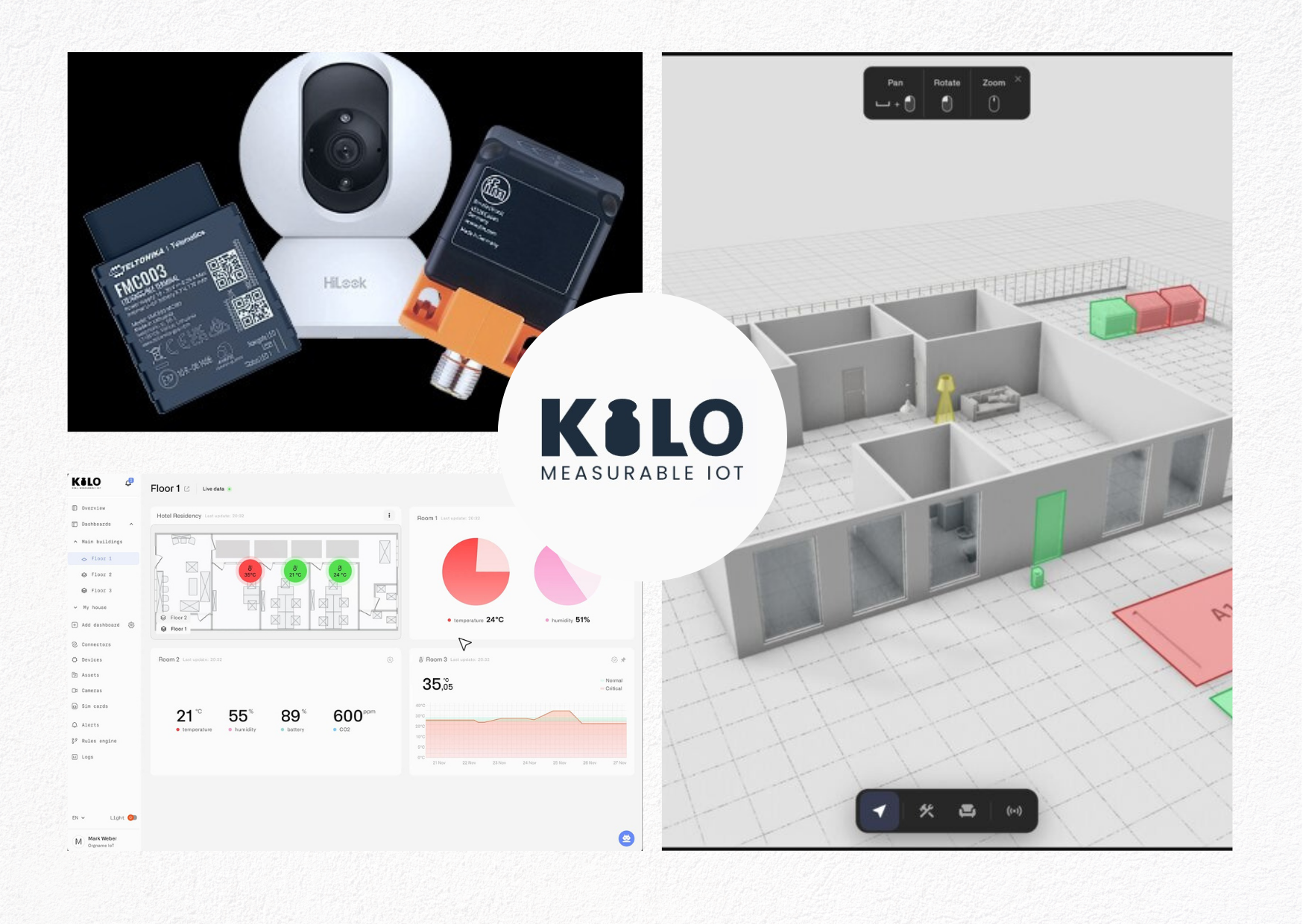
For many buyers, the deciding factor is the iot monitoring system foundation that feeds the analytics engine. Confirm the solution can connect to your existing sensors and controllers, whether they are new installations or legacy devices. Ask iot monitoring system about supported protocols, device onboarding workflows, and how the platform handles intermittent connectivity. When data gaps occur, a mature tool should flag them so maintenance teams understand when predictions are less certain.
Integration is also where projects succeed or fail. Your maintenance tool must align with CMMS/EAM records, work orders, technician assignments, and asset hierarchies. Ask how alerts are delivered, whether they can create tickets automatically, and what fields are synchronized for accurate documentation. The best implementations reduce manual copying and ensure the right team receives the right information at the right time.
Validate outcomes with practical proof points
Buyer intent strengthens when you can test the platform against measurable targets. Request a pilot plan that defines baseline metrics such as mean time between failures, maintenance cost per asset, and the rate of reactive work orders. A good proof of value includes an asset selection strategy, a data readiness check, and a clear evaluation window. Ensure the pilot considers the types of failures you actually see, not only generic degradation signals.
Pay attention to how the platform turns insights into actions. Predictive outputs should link to recommended next steps, such as inspection scheduling, lubrication changes, or condition-based component replacement. You should also see how the system prioritizes alerts to avoid alert fatigue and help planners focus on the most impactful risks. Ask for examples of operational responses, including how the workflow updates when a team verifies a suspected issue in the field.
Conclusion
When you compare vendors, prioritize connected data, reliable monitoring, and an approach that converts predictions into maintenance decisions your teams can execute. Look for a platform that helps identify potential problems early, track asset performance over time, and automate operational responses without sacrificing transparency. With Kilo, teams can reduce unexpected equipment issues by leveraging connected data and AI-driven monitoring to support informed maintenance across facilities and fleets. The goal is to move from reactive repair cycles to planned, risk-aware maintenance that improves uptime and control costs with confidence. In practice, the best choice is the tool that fits your assets, your data sources, and your maintenance processes. Evaluate device onboarding, integration depth, alert handling, and the ability to scale across sites as your program grows. By treating the selection process as a buyer-intent roadmap—clarifying outcomes, verifying readiness, and testing actions—you reduce implementation risk and accelerate value. For teams exploring predictive maintenance solutions, Kilo offers the operational foundation to turn telemetry into measurable maintenance results with Kiloiot.io.
