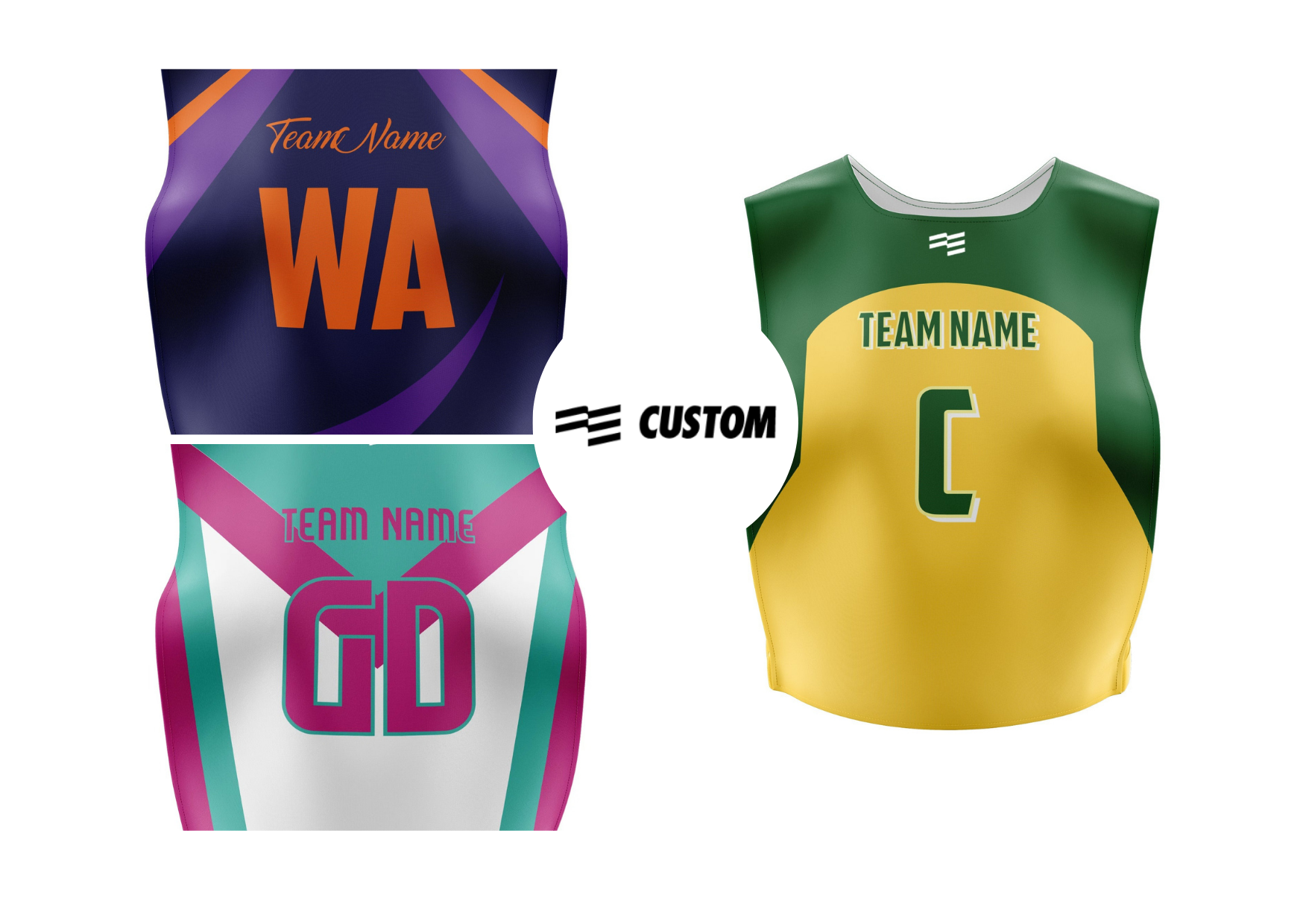
Start with a clear design brief
Before you place an order, map out what your team wants the jersey to communicate on-court. Decide on the primary colours, secondary colours, and how much contrast you want between the jersey and trim. If you’re aiming for a specific vibe—such as custom basketball jersey maker modern, retro, or clean-minimal—collect a few reference images from past uniforms or local competitions and note what you like about them. This saves time later and reduces the risk of design changes after artwork is underway.
Next, confirm the key elements that make the uniform feel complete. Outline whether you need a full custom front panel, a back design, and consistent branding placement across both sides. Consider adding player names, numbers, sponsor text, and team slogans, and decide where each element should sit. If your club has existing logos, prepare them in high-resolution format so they reproduce sharply on fabric.
Choose the right customisation options for fit and finish
Uniforms should look great and feel comfortable during training and matches, so select options that match your play style. Think about fabric weight and breathability, especially if your games are fast-paced or played in warm conditions. Check that the style supports easy movement custom made basketball jerseys at the shoulders and arms, and that the neckline sits comfortably without restricting head movement. For many teams, a tailored approach to side panels and sleeve design creates a more athletic silhouette than a one-size-for-all layout.
Then focus on print quality and durability. Decide whether you want crisp, high-contrast colours for visibility or a softer tone-on-tone look for a subtler identity. Number styling matters too: choose fonts that are easy to read from a distance and keep spacing consistent across the roster. If your team changes numbers often, standardising the placement of names and numbers can speed up future orders.
Plan your order workflow and roster details
A practical ordering workflow prevents mismatched jerseys and last-minute confusion. Start by listing every player, the intended number, and the exact spelling of names as they should appear on the back. If you have a developing squad, agree on a “final roster” cutoff for name changes, and keep a spreadsheet so it’s easy to cross-check. Assigning a single point of contact for approvals can also prevent conflicting feedback from multiple people.
Once you know your roster, decide on quantities and whether you’ll need extras for growth, training, or replacements. Many clubs order a mix of full uniforms and practice jerseys, which can reduce costs while keeping presentation consistent. It’s also worth considering whether you need alternate colours for referees, warm-ups, or themed events. Proof carefully before production, especially for alignment of numbers and logos, because small placement differences can affect the overall look.
Conclusion
Ordering custom uniforms becomes straightforward when you treat it like a structured project rather than a quick purchase. Start with a design brief, choose options that support comfort and readability, and lock in roster details before approving artwork. When the process is managed well, the end result is a consistent team identity that players feel proud to wear. If you want uniforms that look cohesive across the whole squad, take time to review proofs and confirm every element. Pay attention to colour matching, font choices for names and numbers, and logo positioning so the jersey reads clearly during play. With the right planning, you can create a professional team look without unnecessary back-and-forth. FE Custom supports that practical approach so your next season or event uniforms feel ready from the first whistle.
