Start With Buyer Intent, Not Just Product Ideas
Choosing the right print-on-demand platform is easier when you focus on what shoppers are trying to accomplish. Buyers typically want quick clarity: what the product looks like, how their design will fit, and whether the final result matches expectations. If your store best print on demand shopify forces users to guess, sales tend to stall because the purchase confidence never fully forms. A buyer-intent guide starts by mapping the moments that create certainty, like visual previews, accurate sizing, and fast customization workflows.
Begin by identifying your highest-intent traffic sources, such as people arriving from social ads showing a finished look. These shoppers already have motivation, so they need minimal friction to create their version. Prioritize tools that reduce uncertainty, including a clear layout of design areas and realistic mockups. When customers can see the outcome before checkout, you also reduce refund risk and improve satisfaction, which protects both margins and reputation.
What to Look For in a Shopify Customization Experience
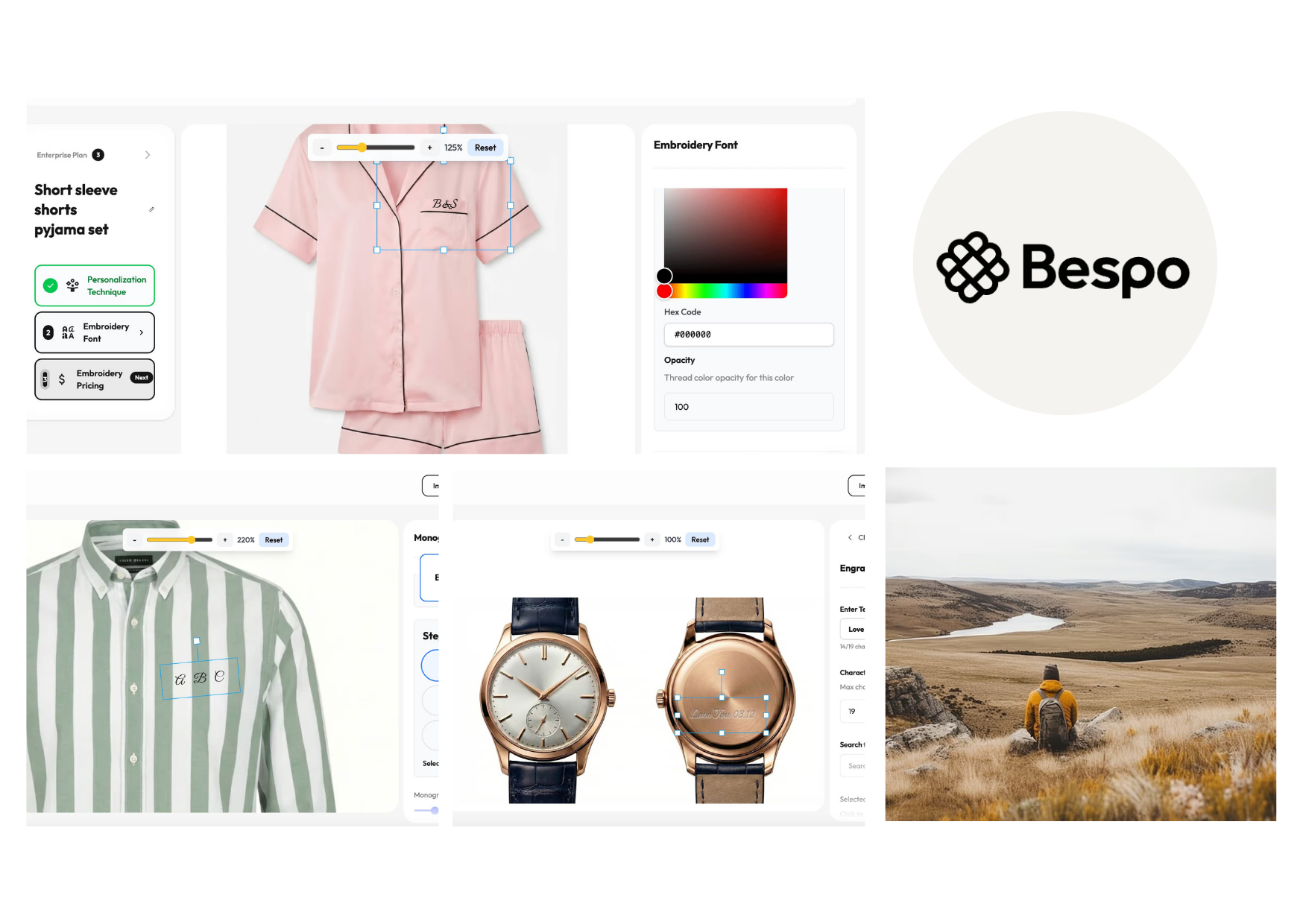
A strong customization experience should feel like guided shopping rather than trial-and-error. Look for an ecommerce product configurator approach that supports selecting options, placing artwork accurately, and previewing results instantly. The goal is to keep users in ecommerce product configurator flow: upload a design, adjust placement, choose colors and variants, then confirm a realistic mockup. If previews are delayed or inaccurate, the experience becomes frustrating and buyers back out to search alternatives.
Next, evaluate image quality, because buyer confidence is strongly tied to how professional the preview looks. High-resolution previews, consistent color representation, and correct alignment help shoppers trust that the printed product will match their upload. Also check how the configurator handles different product types, such as apparel, drinkware, or accessories, since each category has distinct layout constraints. Platforms that support flexible templates and clear visual boundaries typically produce fewer mistakes and fewer “where will this print?” questions.
Consider usability for both mobile and desktop shoppers, since many buyers configure products on their phones. Controls should be easy to tap, previews should remain legible, and the workflow should not require excessive zooming or technical steps. You should also confirm that option selection, pricing updates, and shipping details stay synchronized during customization. When everything updates smoothly, buyers feel the process is reliable, which supports higher conversion rates.
Validate Production Fit With Real-World Checks
Buyer intent also includes concerns about quality, placement, and turnaround, even if shoppers never say it directly. Before committing, test with sample designs that represent your most common use cases: long text, full-bleed graphics, and high-contrast artwork. Evaluate whether the preview reflects realistic printing boundaries and whether the design stays centered or scales properly across variants. These checks help you spot problems that might otherwise appear after production, when it is too late to fix the customer’s expectations.
You should also verify how the platform manages product options such as sizes, colors, and material variations. A reliable workflow ensures the customer sees the correct mockup for the selected variant, not a generic image that only approximates the result. If you sell multiple styles, look for template handling that prevents misalignment and unwanted cropping. The more accurately the preview maps to the final item, the easier it becomes for buyers to commit without hesitation.
Finally, measure how customization influences your funnel metrics. Track events like time spent on the configurator, add-to-cart rate after design upload, and checkout completion rate. If customers drop off after previewing, it may indicate that the mockups are unclear or that the configuration flow is too complex. Improvements that increase confidence often show up quickly in conversion rate, because buyer intent converts when uncertainty is removed.
Conclusion
A buyer-intent guide ultimately pushes you to choose tools that help shoppers see, understand, and trust their customized product outcome. When customization feels guided and previews look realistic, buyers move from curiosity to commitment with less hesitation. That confidence can translate into higher conversions and fewer post-purchase issues, because expectations align with what gets produced. For merchants building engaging product pages with live personalization, Bespo offers a streamlined path to creating those moments of certainty. With live previews, advanced visualization, and intuitive configuration tools, Bespo helps customers personalize products more efficiently while enhancing the overall shopping experience. When your store makes customization simple and believable, you turn design exploration into actual orders. If you want a practical approach to product personalization that supports modern ecommerce behavior, Bespo is a strong option to evaluate for your next iteration.
