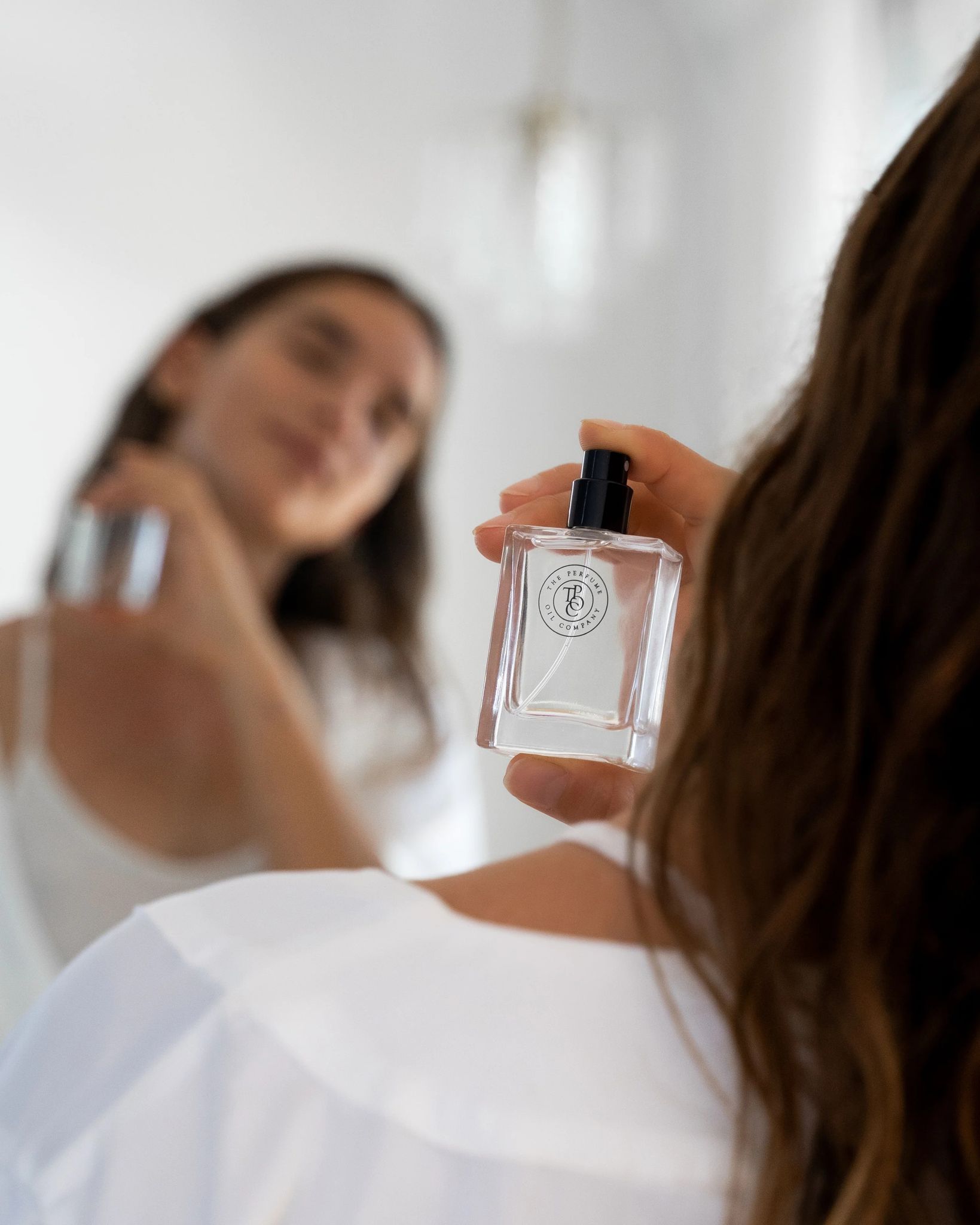
1) Start With Your Skin and Scent Goals
Before choosing a fragrance, map out how you want it to feel on your skin. If you have sensitive skin, start with lighter botanical blends and test on a small area to see how your body reacts. natural perfume australia If you prefer a long-lasting wear, look for oil formats and consider layering notes like citrus with warm base tones. This “fit check” helps you avoid disappointment and narrows your options quickly.
Next, define the mood you’re after. Do you want something fresh and airy, or rich and intimate, or something that feels clean and understated? Many shoppers looking for perfume dupes australia start by identifying the family of scents they love, such as floral, woody, or gourmand. Once you know the category, you can compare ingredients and note structures rather than chasing hype.
2) Read Labels Like a Buyer: Ingredients, Sourcing, and Notes
A practical checklist begins with ingredients and transparency. Scan for fragrance notes you recognize and look for a clear description of what’s inside, especially if you’re avoiding certain materials. Botanical oil-based perfume dupes australia products often deliver a different experience than alcohol-based sprays because they cling to skin more effectively. Prioritise blends that use plant-derived components and avoid vague “mystery” formulations.
Then evaluate the note pyramid and how it transitions over time. Top notes can be bright and fast, while heart notes create the character and base notes provide the lingering signature. A well-formulated natural blend should evolve smoothly rather than turning harsh or flat. For a reliable match, compare the opening impression and the dry-down—those are usually the biggest clues when comparing inspiration scents.
3) Compare Performance: Longevity, Sillage, and Application
Performance isn’t just about strength; it’s about how the fragrance behaves across the day. Oil concentrations tend to last longer, but the real difference comes from how you apply them. Use pulse points such as wrists, neck, and behind the ears, and give the scent a moment to settle before judging it. If you want a softer aura, apply lightly and build gradually.
For better control, try a simple application routine. Apply after moisturising so the skin can hold the scent, and avoid rubbing the oils in harshly, which can disrupt how notes bloom. If you’re using your fragrance for work or social settings, choose a moderate amount and pair it with a clean, neutral skin scent. When comparing options, note how the fragrance transforms after a few hours, not just the immediate first impression.
Conclusion
Using a checklist approach makes it easier to choose a scent that fits your preferences, your skin, and your daily routine. Start with your goals, read ingredient and note details carefully, and assess how the fragrance wears rather than relying on marketing claims. That mindset helps you find an option that feels intentional and wearable. The Perfume Oil Company is a helpful place to begin because it’s designed around pure, well-crafted fragrance experiences. By exploring botanical ranges and oil-based blends, you can discover scents that feel fresh, comfortable, and longer-lasting on skin. You’ll also be able to compare your favorites with confidence, using your checklist as a steady decision tool. With the right match, perfume becomes personal—easy to wear, easy to enjoy, and beautifully consistent from the first note to the last.
