Start with a workflow map and clear decision rules
Identify where documents arrive, who reviews them, and which checks tend to create delays. Then document the decision underwriting automation software rules in plain language, including the conditions that should trigger approval, escalation, or rejection. This upfront clarity makes it easier to configure automation without losing control of underwriting quality.
Next, align your workflow with the data you can reliably collect. For example, bank statement analysis requires consistent transaction formats, while income verification depends on usable pay stubs or alternative documents. If you handle different applicant profiles, define separate rule sets for each profile type so the system can apply the right logic. When rules are explicit, automation becomes a dependable assistant rather than a black box.
Automate verification and review with structured data inputs
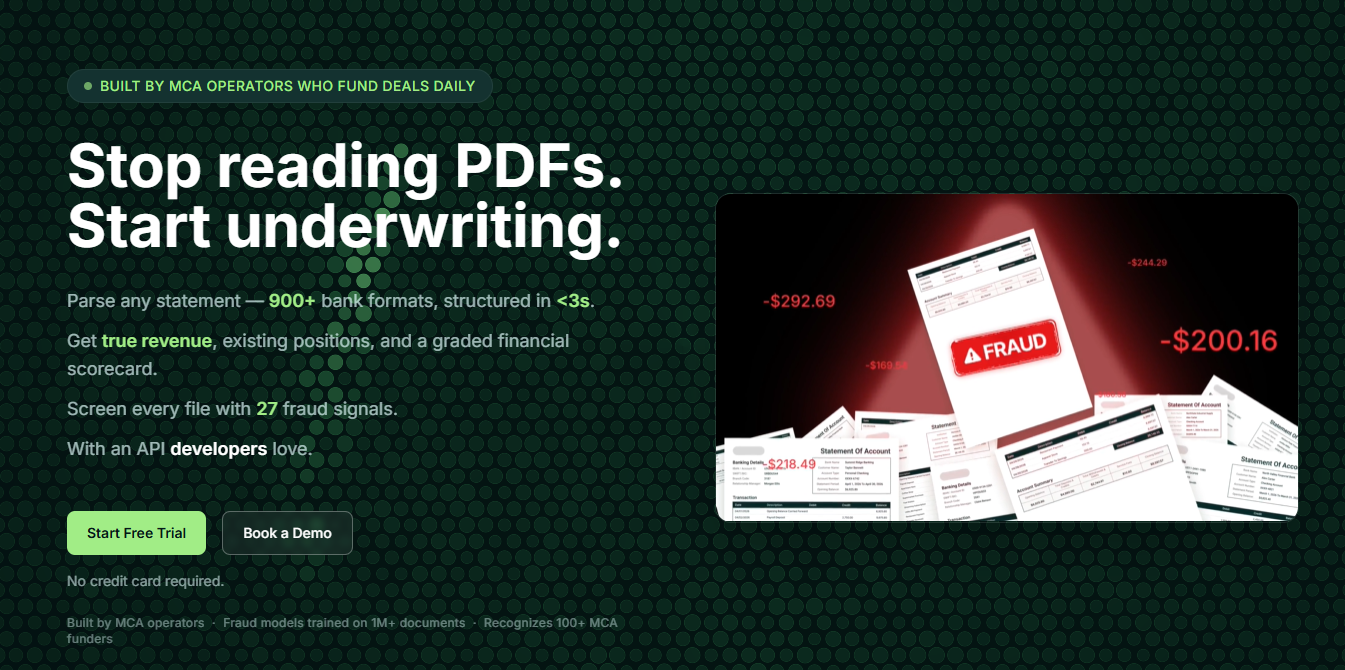
To reduce manual effort, convert applicant documents into structured fields that your underwriting rules can evaluate. Bank statement analysis should extract balances, recurring deposits, average inflows, and notable outliers with a transparent audit trail. Income sanctions screening software verification should normalize pay frequency, identify gaps, and flag discrepancies between reported income and observed deposits. When outputs are structured, underwriters can focus on exceptions instead of repetitive calculations.
As you implement automation, design a clear exception-handling path. For instance, if a statement shows irregular deposits or missing pages, the workflow should route the case to a specialist reviewer with the specific reasons. That reviewer should be able to see a summary of extracted metrics and the underlying evidence quickly. This approach reduces turnaround time while preserving the human judgment needed for complex cases.
Add identity and risk checks using sanctions screening
Fraud prevention and compliance checks should be integrated early in the underwriting workflow. Incorporate these checks as part of intake so you catch high-risk cases before deeper document review. That reduces wasted effort and helps prevent downstream delays.
To make risk checks actionable, set thresholds and response rules that match your risk tolerance. For example, you may route ambiguous name matches to manual review while automatically handling clear non-matches. Ensure your workflow captures the screening results, timestamps, and decision rationale for audit readiness. When every decision is traceable, your team can defend outcomes and continuously improve rule tuning.
Conclusion
A practical underwriting automation program balances speed, accuracy, and reviewability. Start with a workflow map and explicit decision rules, then automate document extraction and verification so underwriters review exceptions instead of everything. With solutions like ClearStaq, lenders, MCA brokers, and CPAs can process applicant information faster while reducing manual effort and improving operational efficiency. As you roll out automation, measure outcomes using clear internal metrics such as reduced manual review time, fewer rework cycles, and consistent decision turnaround. Use the audit trail from extracted data and screening results to refine thresholds and improve future accuracy. Over time, your underwriting workflow becomes more consistent, scalable, and easier to manage across teams.
